Benefits of Precision-Engineered Solar MMS
Structural Reliability
Designed to withstand high wind speeds and environmental loads, ensuring panel safety across diverse climatic conditions.
Optimized Energy Output
Custom-calculated tilt angles and layouts maximize solar irradiance capture based on site latitude and project requirements.
Long-Term Corrosion Protection
Hot dip galvanization or approved protective coatings provide long-lasting resistance to rust, matching the lifespan of solar panels.
Efficient Installation
Modular designs with pre-punched components reduce installation time, labor effort, and on-site errors.
Lifecycle Cost Advantage
Reduced maintenance and enhanced durability translate into lower total cost of ownership.
Structural Reliability
Designed to withstand high wind speeds and environmental loads, ensuring panel safety across diverse climatic conditions.
Optimized Energy Output
Custom-calculated tilt angles and layouts maximize solar irradiance capture based on site latitude and project requirements.
Long-Term Corrosion Protection
Hot dip galvanization or approved protective coatings provide long-lasting resistance to rust, matching the lifespan of solar panels.
Efficient Installation
Modular designs with pre-punched components reduce installation time, labor effort, and on-site errors.
Lifecycle Cost Advantage
Reduced maintenance and enhanced durability translate into lower total cost of ownership.
The Sai VLS MMS Execution Process
Site Assessment and Load Evaluation
Detailed evaluation of roof conditions or soil characteristics to determine foundation and anchoring requirements.
Engineering and Structural Design
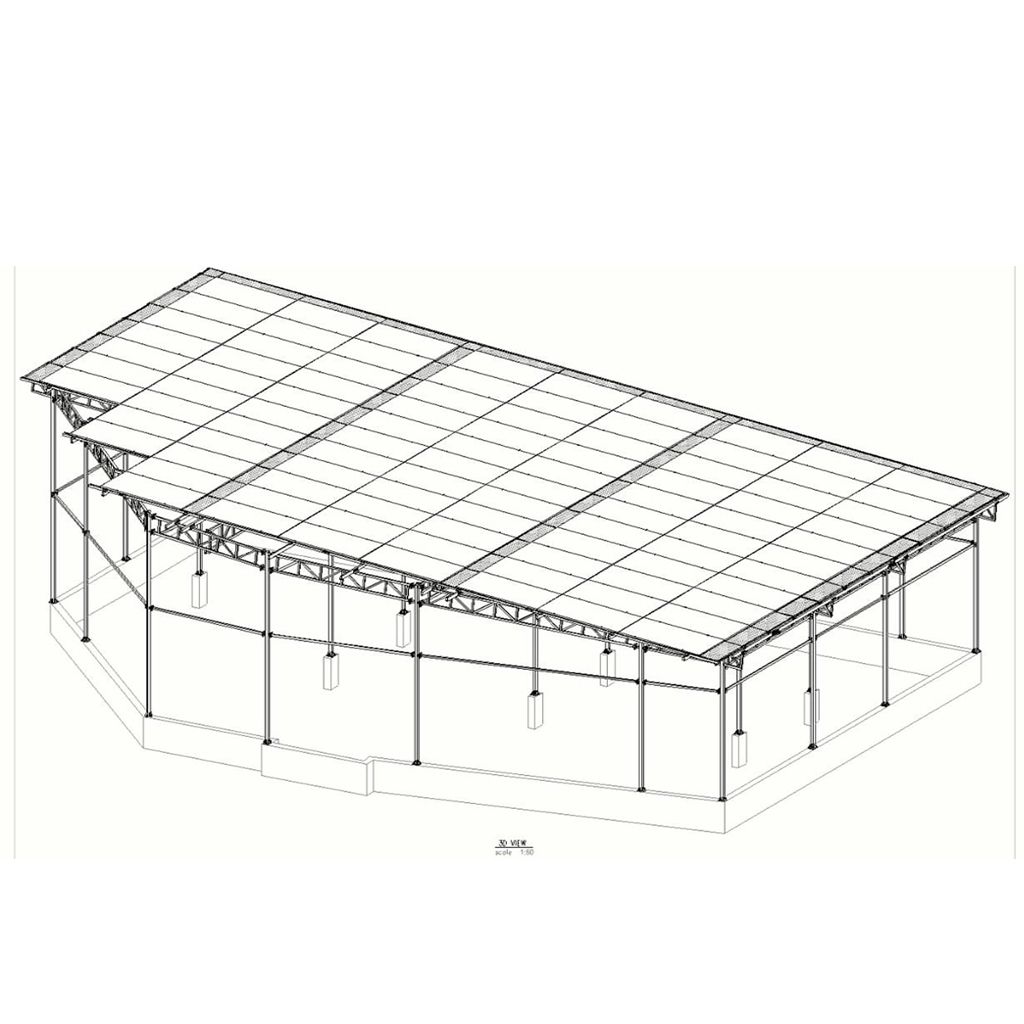
Design using CAD and structural analysis tools to account for dead loads, wind loads, and site-specific conditions.
Precision Fabrication
Manufacturing using controlled processes to ensure dimensional accuracy and consistent fitment.
Surface Protection and Quality Inspection
Application of hot dip galvanization or protective coatings, followed by inspection for coating thickness and compliance.
On-Site Assembly Support
Supply of ready-to-assemble components designed for smooth installation and structural integrity.
Site Assessment and Load Evaluation
Detailed evaluation of roof conditions or soil characteristics to determine foundation and anchoring requirements.
Engineering and Structural Design
Design using CAD and structural analysis tools to account for dead loads, wind loads, and site-specific conditions.
Precision Fabrication
Manufacturing using controlled processes to ensure dimensional accuracy and consistent fitment.
Surface Protection and Quality Inspection
Application of hot dip galvanization or protective coatings, followed by inspection for coating thickness and compliance.
On-Site Assembly Support
Supply of ready-to-assemble components designed for smooth installation and structural integrity.